Category: Mobile Gadgets

  • Unpacked Explosion: Samsung’s Game-Changing Powerful Galaxy Z Foldables; Fold 7, Flip 7 & Watch 8 Unveiled

    From Gimmick to Game-Changer Samsung’s Foldables and Wearables Just Got Serious

    It’s wild to think that just a few years ago, foldable phones were a quirky tech demo; fragile, chunky, and more novelty than necessity. The original Galaxy Fold? Groundbreaking, yes but it creaked, cracked, and couldn’t convince the mainstream.

    But July’s Galaxy Unpacked was the turning point. The company has not only refined its foldable smartphones to near-perfection, but it’s also pushing smartwatches to new heights infusing everything with AI and making these devices feel less like experiments and more like the future.

    The stars of the show?

    • Galaxy Z Fold 7
    • Galaxy Z Flip 7 and Flip 7 FE
    • Galaxy Watch 8, Watch 8 Classic, and Watch Ultra

    Each one is slimmer, smarter, and more user-focused than ever before. Whether you’re a tech enthusiast, creative, or someone just looking for your next premium upgrade we have put together the juice from the event. Let’s dive in.

    The Foldables: Galaxy Z Fold 7- Slimmer, Smarter, Stronger

    Samsung’s flagship foldable is no longer just about “wow” factor, it’s ready for work, play, and everything in between.

    What’s New:

    • Thinner Build: Now only 8.9 mm closed, which is nearly half the thickness of the first Galaxy Fold. It’s lighter too about 215g making it feel less like a prototype and more like a proper daily driver.
    • Display: A 6.5″ cover screen opens into a stunning 8″ inner AMOLED display with peak brightness of 2,600 nits. Watching videos, reading PDFs, or multitasking feels seamless.
    • Camera: A 200MP main sensor (the same one from the Samsung S25 Ultra) leads the charge, with enhanced AI-assisted photography and real-time editing using Gemini AI.
    • Performance: Snapdragon 8 Gen 3 “Elite” with built-in AI, improved cooling, and better hinge mechanics for a smoother fold.
    • No S-Pen support, which will disappoint some fans but the trade-off is a more streamlined form factor.

    Starting at $1,999 / £1,799, pre-orders are open now, with shipping beginning July 25.

    Galaxy Z Flip 7 & Flip 7 FE: Fun Meets Function

    The Flip series has always been about flair, but now it’s growing up.

    Galaxy Z Flip 7:

    • Bigger Cover Display: The new 4.1″ FlexWindow supports full apps, real-time Gemini access, and swipeable widgets—like a tiny smartwatch.
    • Internal Display: A sharp 6.9″ AMOLED at 120Hz, with a newly improved hinge and 4,300mAh battery for longer screen-on time.
    • AI Features: Circle to Search, instant translations, voice summarization, and camera enhancements all on-device.

    Price: Starts at $1,099 / £1,049

    Flip 7 FE:

    • The new Fan Edition model is Samsung’s way of making foldables more affordable.
    • Smaller 3.4″ cover display, modest chip (likely Snapdragon 7 Gen 3), and same 6.7″ internal screen.
    • No DeX or wireless charging, but a strong entry point into the world of foldables.

    Launching at $899 / £849 — this is Samsung’s most accessible flip phone yet.

    Galaxy Watch 8 Series & Watch Ultra: Smarter Health, Rugged Design

    Samsung’s watches just got a serious glow-up combining AI smarts with sleek, durable design.

    Watch 8 & Watch 8 Classic:

    • New ‘Squircle’ Shape: A cross between square and circle—modern and minimalist.
    • AI Coaching: Real-time feedback on sleep, stress, vascular health, and antioxidant levels.
    • Performance: Faster chips, better battery, and Wear OS 6 for snappy navigation.
    • Size Options: 40mm and 44mm in aluminium or stainless steel.

    Price: $349 (Watch 8) | $499 (Classic)

    Watch Ultra:

    • Built for adventure: Titanium case, 10ATM water resistance, military-grade durability.
    • GPS & Tracking: Highly accurate for athletes and explorers.
    • Storage & Battery: Doubled to 64GB with improved battery endurance and all the AI perks.

    MSRP: $649 / €699

    Gemini & Galaxy AI Everywhere

    Samsung is fully embracing AI—not just as a gimmick, but as a core part of the experience.

    Across All Devices:

    • Circle to Search: Instantly find anything on your screen using your finger—works across apps.
    • Live Translations: On-device, secure, and fast—no need for an internet connection.
    • Photo Magic: With the new ProVisual Engine, edit, enhance, or completely transform your photos with one tap.
    • AI Companion: Gemini acts as your everyday assistant, helping with planning, writing, camera prompts, and even workouts.

     Should You Buy It?

    If you’ve been waiting for the foldable era to get real, this is it.

    • Galaxy Z Fold 7 is the productivity dream: multitasking beast, massive screen, and no compromises.
    • Galaxy Z Flip 7 is the lifestyle phone: fun, stylish, compact, and now genuinely useful with AI.
    • Galaxy Watch 8 Series redefines personal health tracking, and the Watch Ultra is built for those who live life off the grid.

    Yes, the prices are still high but what you’re getting is premium hardware, meaningful AI integration, and the most polished foldables in the world right now.

    Final Thoughts

    Samsung didn’t just launch devices, they launched a clear vision of the future: AI at your fingertips, flexible screens that adapt to your lifestyle, and wearables that finally do more than count steps. From the bold Fold 7 to the rugged Watch Ultra, there’s something in this lineup for everyone.

    This wasn’t just another Unpacked event.

    It was a line in the sand: foldables are no longer the future they’re the now.
  • Best iPhones Under ₦500,000 in 2025: Still a Smart Buy?

    Let’s face it, buying a brand-new iPhone in 2025 can feel like trying to buy land in Banana Island. Between the ₦1M+ price tags of the iPhone 14, 15, and the16 models, a lot of us are asking the real question:

    “Which iPhone can I actually afford without selling my kidney?”

    Well, good news: You don’t have to compromise too much. Whether you’re switching from Android, upgrading your dusty iPhone 8, or just want something that won’t lag when you open Instagram, there are solid iPhones under ₦500,000 that still hold their own in 2025.

    Let’s break down your top 3 picks that combine performance, battery, and style all without blowing your budget.

    1. iPhone 11 – The Budget Beast

    Average Price: ₦345,000

    This is your no-fuss, still-very-capable entry into the iPhone world in 2025.

    Key Features:

    • 6.1” Liquid Retina HD Display
    • A13 Bionic chip (still smooth for everyday use)
    • Face ID, decent battery, and solid cameras
    • Dual 12MP rear lenses with Night Mode

    Why It’s Still Worth It:

    iPhone 11 might be from 2019, but it doesn’t feel ancient. The phone runs iOS 18 without breaking a sweat, takes great photos, and handles TikTok, Reels, and day-to-day tasks like a champ. It’s especially perfect for students or first-time iPhone users.

    Heads-Up:

    • No 5G (if you care about that)
    • LCD screen, not OLED (colours won’t “pop” as much)
    • Basic design, a little bulky by 2025 standards

    Verdict: If you just want a reliable, smooth, no-frills iPhone that won’t drain your wallet—this is it.

    2. iPhone 12 – The Sweet Spot

    Average Price: ₦390,000

    Want 5G, OLED, and a thinner design without going broke? iPhone 12 hits the sweet spot between price and power.

    Key Features:

    • 6.1” Super Retina XDR OLED display
    • A14 Bionic chip
    • MagSafe support (welcome to the wireless charging club)
    • Sleek, modern design that still looks new

    Why It’s Still Worth It:

    Compared to the 11, the iPhone 12 feels faster, brighter, and more future-proof. It handles mobile gaming, photo editing, and multitasking with zero lag. The camera system also gets a bump in clarity and low-light performance.

    Heads-Up:

    • Battery life is just okay (nothing special)
    • Still no ProMotion (120Hz) display

    Verdict: If you want that premium feel without crossing ₦400K, the iPhone 12 is probably the best value right now.

    https://blog.ogabassey.com/is-the-iphone-13-in-2025-review3. iPhone 13 – The Max Budget Boss

    Average Price: ₦500,000

    You’ve hit the budget ceiling but you’re also getting one of the most balanced iPhones Apple ever made.

    Key Features:

    • 6.1” Super Retina XDR OLED display (brighter than the 12)
    • A15 Bionic chip (also used in iPhone 14)
    • Better cameras, better battery life, cinematic mode for video
    • Comes in fun colours + smaller notch

    Why It’s Still Worth It:

    This is the iPhone to buy in 2025 if you want the “latest without being latest.” The iPhone 13 still runs like a new phone, supports all current apps and updates, and is powerful enough for content creators, casual vloggers, and multitaskers.

    Heads-Up:

    • No Always-On Display (that came with iPhone 14 Pro)
    • ₦500,000 means you’ll need to shop smart to avoid overpaying

    Verdict: If you’ve got exactly ₦500K to spend and want the most future-proof iPhone possible stop scrolling, this is it.

    💡 So, Which Should You Buy?

    iPhonePrice (₦)StrengthIdeal For
    iPhone 11~345,000Reliability on a budgetStudents, basic users
    iPhone 12~390,000Best all-round valueEveryday users, professionals
    iPhone 13~500,000Performance & longevityPower users, creators

    A Few Buying Tips:

    • Always buy from a trusted source – If it’s “UK used” or “clean as new,” ask questions. Check battery health and IMEI.
    • iOS updates – All three phones will get iOS updates till at least 2026–2027. You’re safe.
    • Watch for deals – Prices may vary based on condition, storage, or retailer promos. Don’t rush.

    Final Thoughts: Under ₦500K, You’re Still in the Game

    Don’t let Apple’s new pricing intimidate you. You don’t need to splurge on an iPhone 15 or 16 to stay connected, create content, or enjoy that buttery-smooth iOS experience.

    With options like the iPhone 11, 12, and 13 still going strong in 2025, you can get the Apple quality you want without wrecking your account balance.

  • Android or iPhone: Which Is Better for Content Creators in 2025?

    Android or iPhone? Let’s settle this once and for all. If you’re a content creator in 2025, should you be rocking an iPhone or an Android device?

    Whether you’re filming beauty reels, vlogging your day in Lagos traffic, or editing your next viral skit for TikTok, your phone is your production studio. So, choosing the right one isn’t just about team iOS vs. team Android anymore, it’s about which device helps you create faster, easier, and better.

    And while both sides have come a long way, the gap between them has shifted in surprising ways.

    Let’s break down the pros, cons, and honest realities of using an Android or iPhone as a content creator in 2025.

    Camera Quality: iPhone Still Leads in One Key Area

    Both Android and iPhones now have incredible cameras. Period. But they shine differently.

    iPhone (13 Pro Max and up):

    • Shoots consistently clean video.
    • Top-tier colour science and HDR.
    • Dynamic range is fire even in harsh sunlight.
    • Native app (Camera) gives you cinematic mode, ProRes, and top-notch stabilisation with little effort.

    Android (Samsung S24 Ultra, Pixel 8 Pro):

    • More megapixels (hello, 200MP).
    • Better low-light shots with some models.
    • More flexible lenses and manual control.
    • Native 8K support and crazy zoom (which you probably won’t need, but hey).

    Verdict:
    If video is your bread and butter especially for platforms like YouTube and Instagram, iPhone wins for consistency. Android can hit higher highs, but it takes more setup and tweaking to get there.

    Editing Workflow: It’s an Ecosystem Thing

    Let’s talk editing.

    iPhone + MacBook = chef’s kiss.

    • AirDrop your 4K files instantly.
    • Use iMovie, CapCut, or Final Cut for mobile (yes, it’s now on iPad and iPhone).
    • iCloud syncs everything.

    Android + Windows/Chromebook:

    • Samsung’s Quick Share works—most of the time.
    • File transfers can be chunky (especially on mid-range phones).
    • Third-party apps like InShot, VN, and Kinemaster still shine, though.

    Bonus: With iPhones, your videos stay in HEVC or ProRes. Androids often record in formats that aren’t always friendly with editing platforms unless you convert.

    Verdict:
    If you value speed and simplicity, Apple’s ecosystem is hard to beat. Android works, but it takes a bit more tech know-how to set up smooth workflows.


    Accessories & Audio: iPhone Has the Edge—Barely

    Let’s talk audio because good sound is half the battle.

    • iPhone: Pairs easily with wireless lav mics (Rode, DJI). Tons of plug-and-play support. Lightning (or now USB-C) accessories are stable.
    • Android: More universal (thanks to USB-C), but compatibility with certain mics and gimbals is hit-or-miss unless your phone is from Samsung, Pixel, or OnePlus.

    Gimbals? Tripods? LED rigs? Most work cross-platform, but iPhone models still have more accessory-specific support.

    Verdict:
    It’s a close one. iPhone still gets more “creator-first” love from accessory makers. But Android is catching up fast especially Samsung.

    AI & Productivity: Android Is Smarter, But iPhone Is Smoother

    In 2025, AI is baked into everything.

    Android (especially Galaxy AI):

    • Transcript your videos automatically.
    • Live translations while recording.
    • Smart erase, object removals, generative edits on the fly.

    iPhone (with Apple Intelligence):

    • Summarises notes, improves scripts, auto-edits captions.
    • Voice isolation during video calls.
    • But most AI features are still rolling out slowly.

    Verdict:
    If you want next-level AI tools today, Android gives you more flexibility and raw power. But iPhone’s experience feels more polished and less experimental.


    Pricing & Value: Android Is Still the Budget King

    Let’s be real, iPhones aren’t cheap. W highlighted that much here

    • iPhone 15 Pro Max starts around ₦1.8 million
    • Samsung Galaxy S24 Ultra starts around ₦1.3 million

    But here’s the kicker:
    You can get a solid Android content creator phone (Pixel 7, Samsung A74, OnePlus 11) for half that price and still shoot killer content with a bit of skill and good lighting.

    Verdict:
    On a budget? Android has way more options. But if you’re investing in longevity and resale value, iPhone is still a safe bet.


    Final Verdict: Which Should You Pick?

    CategoryWinner
    Video QualityiPhone (more consistent)
    Photo FlexibilityAndroid (more control)
    Editing WorkflowiPhone (ecosystem magic)
    AccessoriesiPhone (wider support)
    AI ToolsAndroid (more advanced)
    Budget OptionsAndroid (more value for money)

    So… Android or iPhone is better for content creators in 2025?

    iPhone if you want a reliable, no-hassle tool that “just works.”
    Android if you want more control, flexibility, and power especially if you’re willing to learn your gear.

    Both can create viral content. The real difference? How much work you want to put in behind the scenes.

    Final Thoughts: Your Phone is Your Studio

    At the end of the day, your smartphone is just a tool. iPhone, Android it won’t make you go viral. But it can make your life easier (or harder) depending on what you create and how you work.

    So, pick the one that fits your style, your budget, and your workflow and then go make content that slaps.

  • Buying a Used iPhone in 2025? How to Avoid Getting Scammed

    The iPhone is expensive, let’s be honest: not everyone has ₦2M+ sitting around for the latest iPhone 16 Pro Max with space-grade titanium and Apple Intelligence this-and-that.

    That is where the used iPhone market, the used market is where deals are sweeter, wallets breathe easier, and you can still flex with an Apple logo or the three camera lenses.

    But before you hit that “Buy Now” button on a “UK used iPhone” from some random Instagram vendor, pause. The used iPhone game in 2025 isn’t as simple as it used to be. We have done a version for phones generally

    Here’s what you need to know so you don’t get played.

    Step 1: iPhone Battery Health is Everything

    Used iPhone sellers will show you the shiny outside, but what’s going on inside the battery is where the real drama lies.

    • Go to Settings → Battery → Battery Health & Charging.
      Look for “Maximum Capacity.” Anything below 85%? You’ll need to charge twice a day. Below 80%? Budget for a replacement battery.
    • Battery replacement can cost anything between ₦70k–₦100k. That “cheap” deal could cost more later. When in doubt though, you can reach out to Ogabassey repair via Instagram and we will get your battery sorted.

    Pro tip: Ask for a screenshot of battery health before buying. If they hesitate? 🚩🚩🚩

    Step 2: Network Lock & Region Warnings

    Chip unlocked phones are not bad

    • Factory Unlocked is what you want. It works with any SIM card, anywhere.
    • Avoid “R-SIM unlock” or “GPP unlock” devices—they can work, but are unreliable after iOS updates.
    • Also beware of Japanese models—they take blurry photos with that shutter sound that never goes away (yes, it’s real).

    When in doubt, ask the seller:

    “Is this factory unlocked and free of iCloud and carrier lock?”

    If they say anything other than “Yes” followed by a screenshot—walk away.

    Step 3: Verify It’s Not Stolen or iCloud Locked

    This one’s huge. Buying an iPhone that’s iCloud-locked is like buying a car with no keys. You’ll never use it.

    Always check the Activation Lock status. Here’s how:

    1. Ask the seller to go to Settings → General → Transfer or Reset iPhone.
    2. Tap Erase All Content and Settings.
    3. If the phone asks for a password after reset, it’s still iCloud locked. Don’t buy it.

    Bonus: You can also check the IMEI number on Here

      Just don’t skip this.

    Step 4: Inspect the Phone Physically (Even Virtually)

    Ask for clear pictures or videos of:

    • The screen (look out for green lines, dead pixels)
    • The back and camera lens (any cracks?)
    • The frame and ports (dents can mean drops)
    • The Face ID or Touch ID (test it—many used iPhones lose this after shady repairs)

    If you’re buying in person, test everything. If online, get a video walk-through or a trusted middleman.

    Final Tips Before You Buy

    • Buy from a known or recommended seller like Ogabassey. Reputation matters more than a ₦10k discount.
    • Check the serial number on Apple’s site to confirm warranty status and specs here.

    Quick Checklist for Buying a Used iPhone in 2025:

    • Battery health is 85% or above
    • It’s factory unlocked
    • No iCloud lock
    • No hardware damage (camera, Face ID, screen)
    • Seller provides receipts or return option

    Buying a used iPhone in 2025 isn’t a bad idea, it’s often the smartest move if you’re on a budget. But in a market full of fakes, locks, shady resellers, and half-dead batteries, you need to shop smart or get scammed fast.

    Do your homework. Ask questions. Don’t let “UK used, clean as new” blind you.

    Because in this economy, every naira counts—and your next phone shouldn’t be a regret.

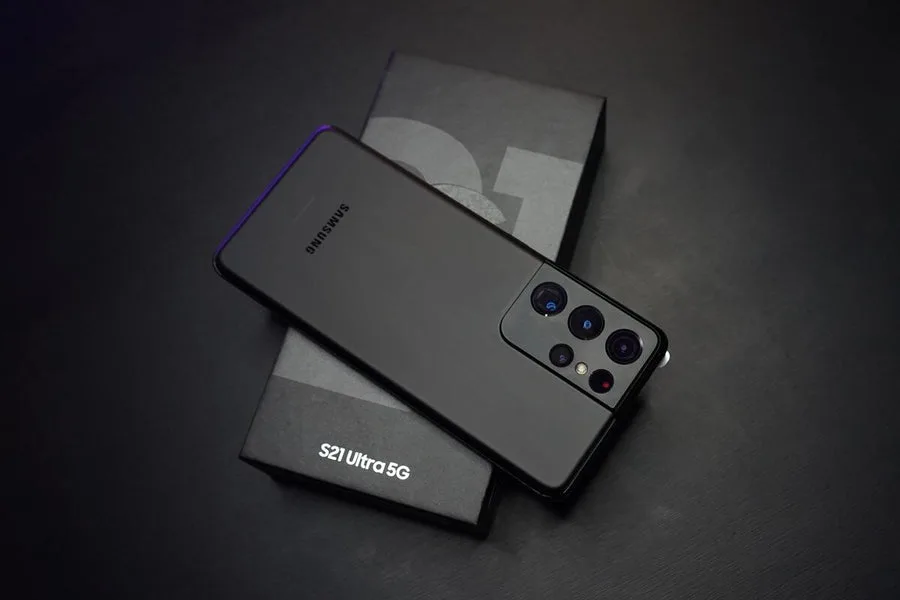
  • Samsung Galaxy S21 Ultra in 2025: Powerful Enough or Just Hanging On?

    The Samsung Galaxy S21 Ultra in 2021 was Samsung’s flex; loaded with four cameras, a silky-smooth 120Hz AMOLED display, and enough zoom to reach for the moon, a modern design that corrected the shortcomings of its predecessor. It was the flagship to beat. We found it a compelling choice last year

    Fast-forward to 2025, and the question is: Is the S21 Ultra still a powerhouse… or is it now just surviving off vibes and old glory?

    Let’s break it down for anyone considering a used or refurbished unit or holding onto one and wondering if it’s time to upgrade.

    Samsung Galaxy S21 Ultra Performance in 2025: Surprisingly Snappy

    Let’s start with the good news.

    If you’re rocking the Snapdragon 888 variant (or Exynos 2100, if you’re unlucky), the S21 Ultra still handles everyday tasks with minimal fuss.

    Multitasking? Smooth.
    Social media? No lag.
    Gaming? Still plays most AAA mobile titles on high settings.

    Sure, it’s not as efficient as newer 4nm chips, but it hasn’t aged as poorly as some feared. As long as you’re not expecting AI-generated wallpapers or ChatGPT embedded into your home screen, it’s still a beast.

    Cameras: Still Got It…Mostly

    That 108MP main sensor? Still crisp. The 10x periscope zoom? Still unmatched in many mid-range phones today.

    • Daylight photos are sharp, dynamic, and Instagram-ready.
    • Low light? It’s holding up—though newer Galaxy phones like the S23 Ultra and S24 Ultra now lead in night mode sharpness.
    • Zoom? Still better than most 2025 phones under ₦500k.

    For content creators on a budget, this phone is still great especially for travel shots, TikToks, and casual vlogging.


    Battery Life on the Samsung Galaxy S21 Ultra: Not Bad… But You’ll Notice the Age

    Here’s where time starts showing.

    • The original 5000mAh battery can now feel more like 4000mAh, especially if you bought the phone second-hand.
    • Heavy use (gaming, mobile hotspot, 5G) drains it faster than newer models with better efficiency.

    You’ll likely need a midday top-up unless the battery was replaced recently. And no, it still doesn’t come with a charger in the box (thanks, Samsung).

    anh nhat uCqMa s JDg unsplash 1 905x600 1
    Samsung Galaxy S21 Ultra

    Design: Premium, Even in 2025

    The Samsung Galaxy S21 Ultra still looks expensive.

    • Gorilla Glass Victus, curved edges, and that signature Phantom Black finish? Still holds up next to newer flagships.
    • It feels like a high-end phone, because it was.

    Plus, it’s one of the last “Ultra” models without an S-Pen silo, which is a win for people who don’t want their phone pretending to be a notebook.

    Software: Hanging On… Just Barely

    The biggest concern? Software support.

    • The S21 Ultra shipped with Android 11. As of 2025, it’s capped at Android 14 with One UI 6.
    • Samsung gave it three OS updates and four years of security updates—so it’s either just ending or already ended depending on your variant.

    That means:

    • No more major Android updates.
    • Security patches might stop anytime.
    • Some apps might gradually start misbehaving (especially banking or business apps).

     If privacy and app stability matter to you long-term, this might be a deal-breaker.

    Should You Still Buy It in 2025?

    If you’re eyeing a refurbished Samsung Galaxy S21 Ultra for under ₦500,000 , it’s a steal for the right user.

    Who it’s forWho should avoid it
    ✅Content creators on a budget❌ Power users who want latest AI features
    ✅ Users upgrading from older phones (S10, A series, iPhone 11)❌ Anyone concerned about long-term software support
    ✅ Anyone who still values physical phone design over specs❌ People who want insane battery life or stylus support

    Final Verdict: A Living Legend (But on Borrowed Time)

    If you find one in good condition and your needs are simple, grab it. Otherwise? Look at newer Galaxy S23/24 models or jump to something like the Pixel 7 Pro or iPhone 13 Pro Max.

  • AirPods 4: The Earphones Nigerians Love

    Apple has pushed wireless audio to the next level with the all-new AirPods 4, now available in Nigeria on ogabassey.com. With both a standard version and one featuring Active Noise Cancellation (ANC), this guide will help you choose the best fit for your lifestyle, budget, and tech needs.

    What’s New About the 4th-Gen AirPods?

    • Sleeker open-ear design with shorter stems for a more secure, comfortable fit
    • Enhanced audio with custom drivers and high dynamic range amplification
    • Smarter listening thanks to the advanced H2 chip
    • Optional ANC, Transparency, and Adaptive Audio modes
    • Wireless, USB-C, and Apple Watch charging (ANC version)
    • Up to 30 hours of total battery life with the case

    👉 Grab the latest AirPods exclusively on Ogabassey.com

    Standard vs ANC: Which AirPods 4 Should You Get?

    Both versions are stellar, but here’s the breakdown:

    Standard vs ANC: Which AirPods 4 Should You Get?
    • AirPods 4 (Standard): For everyday listeners who want great sound, seamless pairing, and comfort.
    • AirPods 4 ANC: Designed for commuters, travellers, and anyone who wants smart noise control and immersive spatial audio.

    🔥 See AirPods 4 ANC on Ogabassey


    You can also read our combined comparison of AirPods 3 vs 4 vs Pro vs Pro 2

    Fit & Comfort: Designed Around Real Ears

    Using over 50 million ear scans, Apple refined these earbuds for better grip, airflow, and comfort. You’ll barely notice you’re wearing them even during a long commute or workout.

    How Good Is the Noise Cancellation?

    The ANC version packs powerful ambient noise reduction through inward and outward-facing microphones. It’s intelligently adapting to your environment, not just blocking sound. Very ideal for Lagos traffic or noisy cafés.

    Sound Quality: Feel Every Note

    With redesigned internals, the AirPods 4 deliver deeper bass, crisp highs, and less distortion. Features like Spatial Audio and head tracking make movies, music, and FaceTime calls more dynamic than ever.

    Will They Work With Android or PC?

    Yes — pairing with Android phones or Windows laptops is fast and easy via Bluetooth. But for the best experience (auto-switching, Find My, audio sharing), pair with Apple devices.

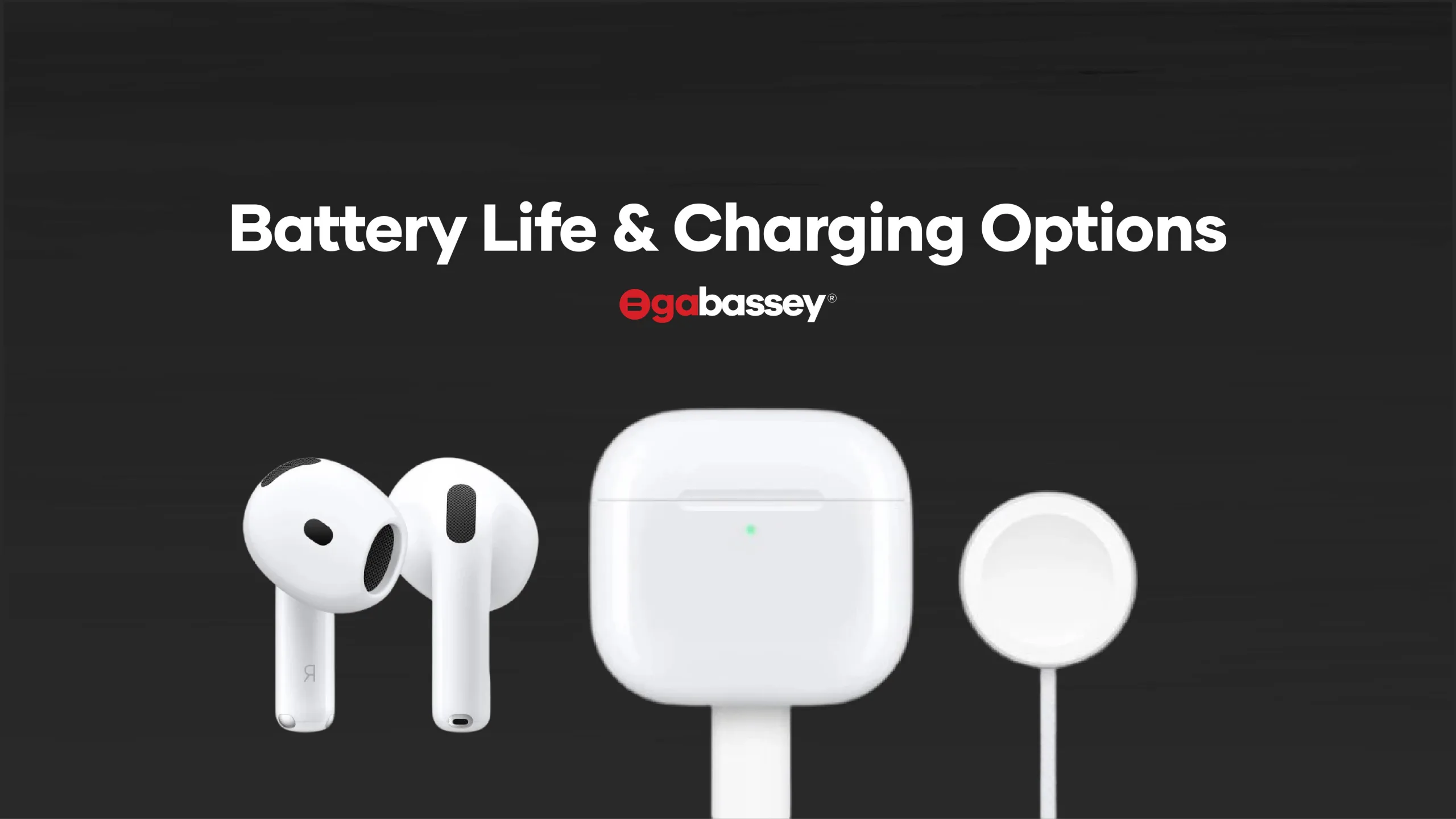
    Battery Life & Charging Options

     Battery Life & Charging Options
    • Standard model: USB-C charging only
    • ANC model: USB-C, wireless, MagSafe, and Apple Watch compatibility
    • 5 hours listening (4 hours with ANC on)
    • Quick charge: 5 minutes = 1 hour of play

    Lost Your Case or Buds? Find Them Fast

    Thanks to Apple’s Find My integration and the built-in speaker on the ANC model’s case, locating your lost AirPods 4 is easier than ever. Whether they’re under your couch or left behind at the gym, you can ping them directly from your iPhone and hear a sound to guide you right to them.

    Can They Handle Sweat or Rain?

    Yes — they’re IP54 rated, meaning they’re sweat-resistant and splashproof. Perfect for gym sessions or sudden rain, but not for swimming.

    Current Price of AirPods 4 in Nigeria

    On Ogabassey.com, you’ll get fair pricing, local warranty, and optional EasyBuy instalment plans:

    Expect ₦300,000 – ₦400,000 depending on variant and demand.

    Why Nigerians Trust Ogabassey for Tech

    • ✅ 100% Genuine Apple Products
    • 🚚 Nationwide Delivery
    • 💳 EasyBuy Instalment Plans
    • 💬 Responsive Support Team

    Final Take: Are They Worth It?

    If you want to enjoy better sound, smarter features, and seamless usability in 2025, go for it. AirPods 4 are a solid investment, and Ogabassey.com is the smartest place to shop.

    🎯 Buy AirPods 4 Now – Only on Ogabassey.com

    And When the next Airpods 5 come out. You can always come and swap with us.

    Thanks for Reading

    Ogabassey Never Disappoints!

  • Snapdragon X Elite Laptops: The Big Swing That Missed in 2025

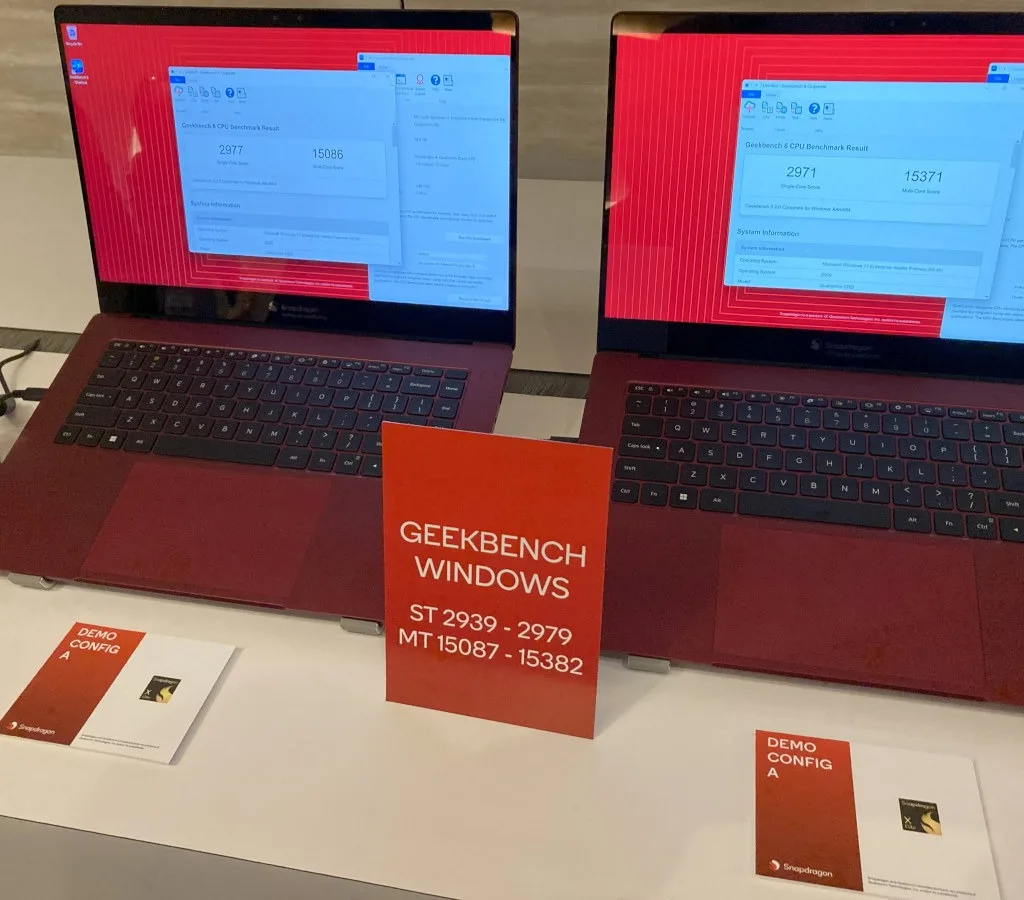
    When Qualcomm first unveiled the Snapdragon X Elite, it was hyped as a game-changer, a sleek, AI-powered chip ready to dethrone Apple’s M-series and give Intel and AMD a run for their silicon, we even bought into the hype with our review here. Think ultra-long battery life, whisper-quiet performance, and next-gen AI magic all baked into razor-thin Windows laptops.

    But fast-forward to mid-2024, and the buzz has fizzled. Instead of shaking up the laptop world, Snapdragon X Elite laptops have landed with a thud, met with mixed reviews, high return rates, and a growing list of frustrated users wondering if they bought into another tech industry overpromise.

    So, what went wrong? And more importantly, should you still buy one?

    Let’s break it down.

    Snapdragon X Battery Life: Great, Until You Use It Differently

    On paper, battery life was a headline feature. Snapdragon X Elite laptops boasted all-day endurance, and in light usage; browsing, emails, writing, they actually delivered. Some reviews clocked 10–11 hours comfortably.

    But that’s where the good news ends.

    • Turn up the brightness? Use a higher refresh rate? Connect an external display? Suddenly, battery life dips to just 4–6 hours.
    • Compared to Apple’s M2, M3 and M4 chips, which maintain great battery life under pressure, Qualcomm’s chip needs more babysitting.

    If you’re constantly on the move and only use lightweight apps, it’s still decent. But for most users, it doesn’t match the “MacBook killer” promise.

    Graphics and Gaming: Don’t Even Bother

    Snapdragon X Elite’s CPU can keep up with many mid-range Intel and AMD chips in productivity tasks. But once you fire up anything graphics-heavy; games, 3D modelling, or even certain editing software, it stumbles badly.

    • Frame rates in popular games like Fortnite and even the less-demanding CS:GO hover around unplayable levels, even at the lowest settings.
    • Titles that rely on x86 compatibility either don’t run at all or crash frequently due to poor emulation.

    App Compatibility: The Real Dealbreaker

    One of the biggest issues with Snapdragon X Elite laptops? Many apps still don’t run properly.

    • Some popular apps (like certain versions of Adobe, OBS, and even Steam) don’t yet have native ARM versions.
    • Emulation through Qualcomm’s Prism layer works in some cases but introduces bugs, lag, or outright crashes in others.
    • Tech reviewers and everyday users alike report having to return their laptops because key apps wouldn’t launch or function correctly.

    Amazon even flagged Snapdragon-powered Surface laptops as “frequently returned” a label you never want to see on a premium tech product.

    Who Is the Snapdragon X Elite Actually Good For?

    Not all hope is lost there are still a few use cases where this chip shines.

    Writers, students, and remote workers who live inside browsers, Microsoft Office, Zoom, and the occasional Canva project? You’ll be fine. Battery life is solid, fans barely spin up, and the laptops look premium enough to pull out in a Domino Pizza outlet.

    Content consumers: if you mostly stream Netflix, scroll Twitter, and handle emails, these laptops are cool, quiet, and portable.

    Developers, designers, gamers, and tinkerers look away. If your work depends on very specific apps, x86 programs, or GPU-heavy software, the Snapdragon X Elite just isn’t ready for you yet.

    Snapdragon-powered laptops feel like early-access tech: impressive on some fronts, frustrating on others, and not quite baked for the mainstream.

    The Pricing Problem: Premium Laptops with Prototype Vibes

    Another head-scratcher? The price.

    Most Snapdragon X Elite laptops launched above ₦1,000,000 putting them in direct competition with:

    • Apple’s M2 and M3 MacBook Airs (which run circles around them in efficiency and compatibility),
    • Intel Core Ultra and AMD Ryzen AI laptops, which now match Snapdragon on battery and outperform them on almost everything else.

    So, when consumers pay premium prices but get patchy software support and mid-tier performance, it’s no surprise they return them in droves.

    But What About AI?

    Snapdragon X Elite was supposed to usher in a new era of “AI PCs”—with Microsoft Copilot+ integration, real-time transcription, on-device AI editing, and all that futuristic flair.

    Here’s the catch:

    • Most of these AI features are still in progress or barely useful in real-world scenarios.
    • Copilot+ demos looked cool, but consumers quickly found they’re more marketing than magic.
    • If you were expecting ChatGPT-level genius baked into your laptop… not quite. Yet.

    There’s potential but it’s not the sci-fi productivity leap it was sold as. At least not in this first generation.

    Snapdragon X Elite vs. M2/M3 MacBooks

    Let’s break it down plain and simple:

    FeatureSnapdragon X EliteApple M2/M3
    Battery LifeGood, with tweaksExcellent out of the box
    PerformanceDecent CPU, weak GPUBalanced, consistent
    CompatibilityLimited app supportWide, seamless
    AI FeaturesPromising, not matureMinimal but stable (with more with the upcoming Tahoe 26)
    EcosystemWeak (ARM on Windows)Strong (Apple devices play nice)
    PricePremiumAlso, premium but worth it
    Snapdragon X Elite reference laptop 23W vs 80W

    Verdict: Unless you’re a diehard Windows fan who only uses Microsoft apps, you’re likely better off with a MacBook in 2025.

    What’s Next for Snapdragon Laptops?

    Qualcomm isn’t backing down. A second generation of Snapdragon X is already rumoured for late 2025, with:

    • Better single-core speeds,
    • Improved GPU power,
    • And hopefully real software and app support.

    If they pull it off, Snapdragon laptops might finally be ready for the big leagues.

    But for now?

    They’re a cool tech flex, not a must-buy.

    Final Thoughts: Should You Buy One?

    Let’s keep it real. The Snapdragon X Elite isn’t a total flop; it’s just not the revolution it was hyped up to be.

    Buy one only if:

    • You understand what you’re getting,
    • Your workflow is light and web-based,
    • And you love being on the bleeding edge of tech.

    Otherwise, you’re better off grabbing a MacBook Air M4, M3 or even the older M2, a reliable Intel Evo laptop, or waiting for Snapdragon’s next move.

    This was Qualcomm’s shot at breaking the Intel-AMD-Apple triangle… but they’ll need another round in the ring to actually land a hit.

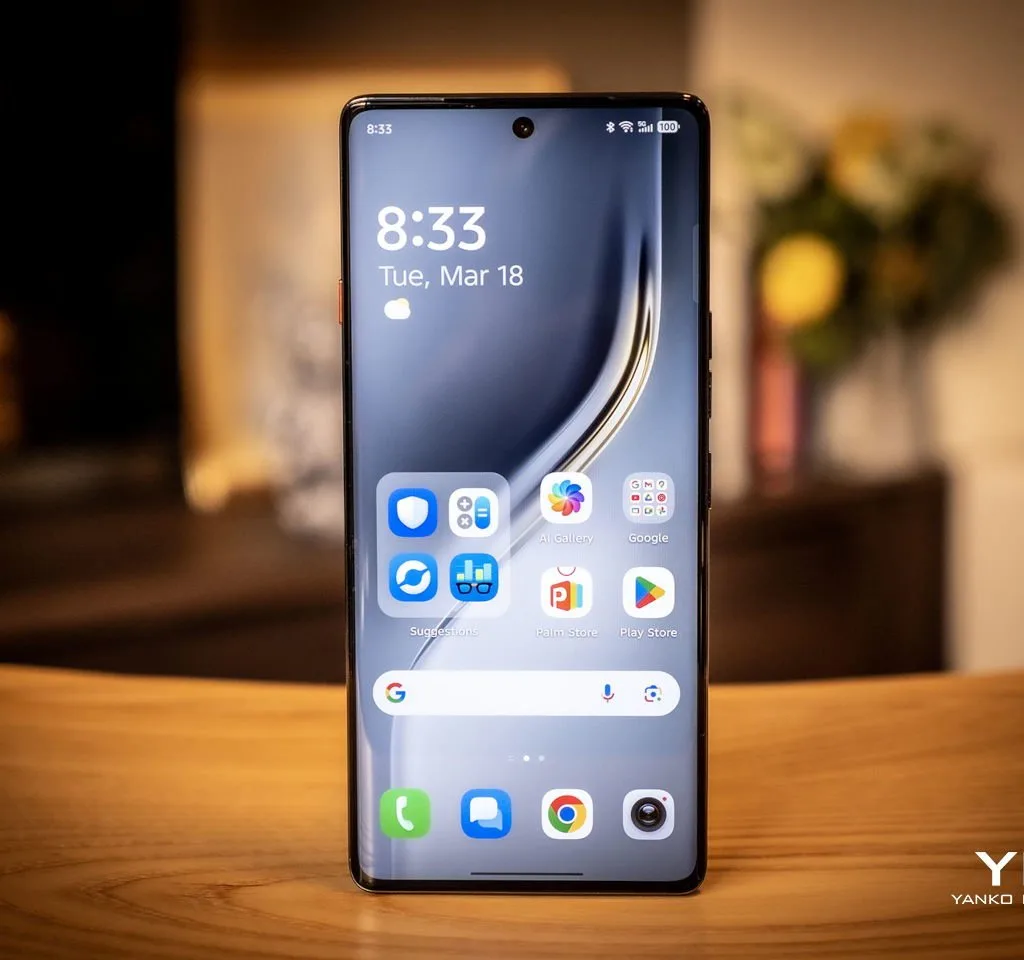
  • Tecno Camon 40  Pro: Powerful, Sleek, Smart & Water-Ready

    The Tecno Camon 40 Pro, launched in March 2025, stands out as a remarkably well-rounded mid‑range smartphone, offering features you would typically expect from much pricier flagships, yet priced at around ₦364,300. In a world where midrange devices skim on the bigger features that are reserved for the flagships, Tecno Camon 40 Pro brings a taste of the bells and whistles reserved for its more expensive siblings like this Phantom Flip. But is it worth the price? Are there must-have features that have been overlooked?

    tecno camon 40 pro 5g review 05

    Key Specs at a Glance

    Display: 6.78″ curved AMOLED, FHD+, 144 Hz refresh, Gorilla Glass 7i

    Processor & Connectivity: MediaTek Dimensity 7300 (4 nm), supports 5G (14 bands)

    Memory: Up to 12 GB + 12 GB virtual (total 24 GB) RAM, 256 GB storage

    Tecno Camon 40  Pro Cameras:

    Rear: 50 MP Sony LYT‑700C (main, OIS), 8 MP ultrawide

    Front: 50 MP selfie with autofocus

    Video: 4K @ 60 fps

    Battery & Charging:

    5,200 mAh, 45 W fast charge (~43 min to 100%)

    Build: Slim (7.3 mm), 179 g, glass front, plastic back, in Black, White, Green

    Is Tecno Camon 40  Pro Water Resistant?

    Yes—it’s rated IP68/IP69, meaning it can survive submersion (1–2 m for 30 s) and endure high-pressure jets of hot water. Ideal for accidental splashes, rain, or even the occasional kitchen splash.

    Does it Support 5G?

    Absolutely. Equipped with MediaTek Dimensity 7300 and global 5G band support (14 bands), the Camon 40 Pro delivers fast 5G connectivity across most regions.

    Camera Quality: More Than Just Pixels

    DXOMARK awards it Smart Choice, calling it the best camera under its price category excelling in dynamic range, textures, colour accuracy, and portraits

     Amateur Photographer praises its 50 MP sensor, OIS, and natural color tones—though the 8 MP ultrawide shows limitations in low light

    Performance & Battery Life

    Powered by Dimensity 7300 (4 nm), delivering smooth day-to-day performance. It even hits ~640k on AnTuTu v10, surpassing ~78% of phones

    Battery lasts all day with reliable 45 W fast charging. Users report mild overheating and volume glitches, but these appear fixable via updates

    Price: ₦364,300

    The Camon 40 Pro 8gb/256gb retails in Nigeria around ₦364,300, aligning with global prices.

    With that budget you get near-flagship specs, superb camera quality, and water resistance—unmatched value at this tier.

    Pros & Cons

    Pros

    Flagship-grade Sony 50 MP OIS camera (+ AI)

    144 Hz AMOLED display with Gorilla Glass 7i

    Dual IP68/IP69 water and dust proofing

    5G-ready with fast Dimensity 7300 (4 nm)

    45 W fast charge fills battery in ≈43 min

    Cons

    Ultrawide camera struggles in low light

    Some software bugs: speaker, overheating (fixable)

    Not widely available globally yet

    Lacks wireless charging, headphone jack

    FAQ

    Q: Is the Tecno Camon 40 Pro waterproof?

    A: Yes, it has IP68/IP69 certification—safe from splashes, spills, and even pressurized water jets.

    Q: Does the Camon 40 Pro support 5G?

    A: Yes, powered by 5G MediaTek Dimensity 7300, it covers 14 global 5G bands.

    Q: How much does it cost in Nigeria?

    A: Around ₦364,300, offering strong value vs. other mid-to-flagship alternatives.

    Q: How good is its camera?

    A: It tops DXOMARK charts for its price, excels in dynamic range and clarity thanks to its Sony LYT‑700C 50 MP OIS sensor.

    Q: Any downsides?

    A: Minor ultrawide and software fixes needed—but updates are expected to resolve most issues.

    Final Verdict

    The Tecno Camon 40 Pro delivers flagship-level cameras, vibrant 144 Hz display, 5G connectivity, and robust water protection—all for around ₦364,300. If you’re a photography enthusiast or want high-end features without the hype and cost of global brands, this is a compelling choice.

    Just be aware of small quirks like ultrawide low-light performance and software bugs which Tecno seems actively patching.

  • Tecno Spark 30 Pro Review (2025): A Budget Gamer’s Choice

    Looking for a phone that punches above its weight without punching your wallet? The Tecno Spark 30 Pro, released in October 2024, might just be what you need. It’s got the kind of spec sheet that makes you do a double take; 6.78″ AMOLED, 108MP camera, stereo speakers, and a 5000mAh battery all for the price of ₦231,100 (128gb) and ₦265,300 (256gb).

    Tecno Spark 30 Pro Design & Build: Slim, Stylish, and Splash-Resistant

    The Spark 30 Pro is surprisingly sleek for a budget phone. It weighs just 188g and is only 7.4mm thick, so it feels light and comfy in your hand.

    You’ve got two colour options:

    • Arctic Glow – a frosty gradient look
    • Obsidian Edge – a darker, granite-inspired finish

    The back is glossy plastic (be ready for some fingerprints), but there’s an IP54 rating, which means it can survive light splashes and dust.

    Tecno Spark 30 Pro Display & Audio: Stunning Visuals and Stereo Sound

    For a phone this cheap, the display is seriously impressive:

    • 6.78″ AMOLED, FHD+ resolution (2436×1080)
    • 120Hz refresh rate
    • Up to 1700 nits brightness (great in sunlight)
    • DCI-P3 colour coverage and eye-care mode

    Even better, it comes with dual stereo speakers, Dolby Atmos, and a 3.5mm headphone jack with hi-res audio. Media consumption? Nailed it.


    Tecno Spark 30 Pro Performance: Solid for Daily Use and Casual Gaming

    Under the hood, you’ll find a MediaTek Helio G100 processor paired with:

    • 8GB LPDDR4X RAM
    • Up to 8GB virtual RAM expansion
    • 128GB or 256GB storage (expandable via microSD)

    In real-world use, the Tecno Spark 30 Pro handles multitasking, streaming, and light gaming with ease. Benchmarks show:

    • AnTuTu: ~437,000
    • 3DMark GPU test: Not blazing fast, but okay for its class

    Camera: 108MP Brilliance With a Few Limits

    Unsurprisingly, camera is not the strongest point of the Spark 30 Pro. Yeah, it really does have a 108MP main camera. It’s paired with a simple 0.2MP depth sensor on the rear and a 13MP front camera.

    Photos are colourful and detailed in good light. Portraits come out clean, and selfies look sharp. Low light is where it starts to struggle, no surprise at this price point.

    • Video: Up to 2K at 30fps, with EIS in Full HD
    • Selfie Flash: Dual-tone for better nighttime snaps

    Gaming Test: Can It Run Genshin Impact?

    Short answer: Yes.
    Long answer: At medium or high settings, you’ll get a consistent 30–38fps in Genshin Impact. It’s not ultra-smooth, but it’s very playable. The phone also doesn’t overheat or lag badly.

    Lighter titles like Mobile Legends, PUBG Mobile, and Free Fire run even better solid mid-tier gaming phone.


    Battery & Charging

    Battery life is what you’d expect from a 5000mAh unit; easily a full day and beyond for average use.

    • Charging: 33W wired charging
    • 0 to 50%: In around 30–40 minutes
    • Full charge: Just over an hour

    No wireless charging here, but for this price, that’s not a dealbreaker.

    Software: HIOS 14 on Android 14

    Out of the box, you get Android 14, skinned with Tecno’s HIOS 14.5. It’s loaded with features like:

    • Ella AI assistant
    • Game Mode
    • Kids Mode
    • Anti-peep and eye-care tools

    The UI is colourful and smooth, though it comes with a bit of bloatware. Still, most of it can be uninstalled or ignored.

    Updates? Based on Tecno’s track record, expect Android 15 eventually, but Android 16 is unlikely.

    Pricing & Availability

    Here’s what you’ll likely pay:

    • 8GB + 128GB model: ₦231,100)
    • 8GB + 256GB model: ₦265,300

    How It Compares: Tecno Spark 30 Pro vs Redmi Note 14 vs Infinix Hot 50 Pro

    FeatureSpark 30 ProRedmi Note 14Infinix Hot 50 Pro
    Display6.78″ AMOLED, 120Hz6.67″ AMOLED, 120Hz6.78″ AMOLED, 120Hz
    Camera108MP + 13MP selfie108MP + 50MP selfie (some models)50MP + 8MP selfie
    ProcessorMediaTek Helio G100Helio G99 / Dimensity 7025MediaTek Helio G100
    Battery5000mAh, 33W~5100mAh, up to 45W5000mAh, 33W
    AudioStereo + Dolby AtmosMono/stereo (varies)Stereo speakers
    OS UpdatesLikely Android 15 onlyBetter update supportSimilar to Spark 30 Pro
    5GNoYes (5G variant available)No

    If the Tecno Spark 30 is not your cup of tea, its bigger sibling, the Tecno Camon 40 Pro brings flagship features on a midrange budget.

  • Is the iPhone 13 Still Worth Buying in 2025? A Comprehensive Review

    The iPhone 13, launched in 2021, was a fan favourite for its balance of performance, camera capabilities, and improved battery life. Now in 2025, with newer models like the iPhone 16 dominating the headlines, is the iPhone 13 still a smart buy? The short answer: yes—especially if you’re looking for a reliable, affordable iPhone that still holds its own. It’s probably one of the best upgrade cycle for someone coming from the iPhone XR. It’s almost 4 years since its release, what are the things that make it a great device for a budget-conscious buyer now and how does it fare against older flagships and devices within its price point?

    Performance That Still Packs a Punch

    The iPhone 13 is powered by the A15 Bionic chip, a 6-core CPU and 4-core GPU combo that delivers excellent performance, even in 2025. Whether you’re editing videos, multitasking, or gaming, the iPhone 13 can handle most tasks effortlessly.

    More importantly, it’s running iOS 18 and expected to receive software support until at least 2027. That means users still enjoy Apple’s latest features and security updates.

    Camera That Keeps Up

    The iPhone 13 may not have the triple-lens system of the Pro models, but its dual 12MP wide and ultra-wide cameras still take stunning photos. Thanks to features like:

    • Sensor-shift optical image stabilization
    • Night Mode and Deep Fusion
    • Cinematic Mode for video

    …the iPhone 13 remains a strong contender for content creators and everyday users who want high-quality results without paying flagship prices.

    Battery and Display

    With up to 19 hours of video playback, the iPhone 13’s battery is reliable enough for a full day of moderate to heavy use. The 6.1-inch Super Retina XDR OLED display delivers vibrant colors and sharp details, though it lacks the 120Hz ProMotion refresh rate found in the Pro models and newer iPhones.

    Still, most users won’t notice unless they’re switching from a higher-refresh-rate device.

    How It Stacks Up in 2025

    iPhone 13 vs iPhone 16


    The iPhone 16 brings USB-C, faster performance with the A18 chip, and enhanced camera hardware. However, for many users, these improvements aren’t essential. The iPhone 13 still performs smoothly, takes great photos, and is a lot more affordable in the second-hand and refurbished market

    iPhone 13 vs Pixel 6


    Google’s Pixel 6, launched the same year, offers AI-enhanced photography and a higher-res 50MP main sensor. But the iPhone 13 wins on overall software stability, long-term updates, and ecosystem integration. If you’re an Apple user, the Pixel isn’t likely to lure you away.

    Pros and Cons

    Pros

    Fast A15 Bionic chip
    Great camera performance with cinematic video
    Long battery life
    Ongoing iOS support
     Great value in 2025

    Cons


     No 120Hz ProMotion display
    Lightning port instead of USB-C
    No telephoto zoom or Pro features

    In 2025, the iPhone 13 still delivers exceptional value. With reliable performance, solid camera features, and continued software support, it’s an ideal choice for anyone who wants an iPhone experience without paying top-tier prices. Whether you’re buying your first iPhone or replacing an older model, the iPhone 13 is still very much worth considering.