Category: Tech News

  • Battle of the Tablets: iPad Air 5th Generation vs Galaxy Tab S9

    The tablet market is brimming with powerful devices, but two names that always stand out are Apple and Samsung. The iPad Air 5th Generation and Galaxy Tab S9 are leading contenders in the mid-to-premium tablet category. But which one is the better buy? Let’s pit them against each other and find out!


    Design and Build Quality

    iPad Air 5th Generation: Apple sticks to its classic premium design, offering a sleek aluminum chassis that feels luxurious in hand. At just 6.1mm thick, it’s impressively lightweight and easy to carry around. It’s available in a range of stylish colors, including Starlight, Space Gray, and Pink.

    Galaxy Tab S9: Samsung’s Galaxy Tab S9 counters with a solid armor aluminum body, making it durable and resistant to scratches. It’s slightly thinner at 5.9mm and even lighter than the iPad Air. Samsung takes things further by including IP68 water and dust resistance—something the iPad lacks.

    Winner: Galaxy Tab S9—Water resistance gives it an edge in durability.


    Display

    iPad Air 5th Generation: The iPad Air features a 10.9-inch Liquid Retina display with True Tone and P3 wide color, offering sharp, vibrant visuals. However, it’s capped at a 60Hz refresh rate, which may not feel as smooth as some competitors.

    Galaxy Tab S9: Samsung hits back with an 11-inch Dynamic AMOLED 2X display. Not only does it provide deep blacks and punchy colors, but it also supports a 120Hz refresh rate for buttery-smooth scrolling and gaming.

    Winner: Galaxy Tab S9—The AMOLED display and 120Hz refresh rate steal the show.


    Performance

    iPad Air 5th Generation: Powered by Apple’s M1 chip, the iPad Air delivers top-tier performance that rivals some laptops. It handles multitasking, gaming, and creative workflows effortlessly.

    Galaxy Tab S9: Samsung equips the Tab S9 with the Snapdragon 8 Gen 2 chip, which is fairly powerful and efficient. While everyday user will not notice the difference, the Apple’s iPadOS is better optimized for tablet use, giving the iPad Air an edge in performance consistency.

    Winner: iPad Air 5th Generation—The M1 chip is a laptop-class and it’s not in the 8 Gen 2’s class and iPadOS optimization takes the crown.


    Software and Ecosystem

    iPad Air 5th Generation: Running iPadOS, the iPad Air offers a seamless experience within Apple’s ecosystem. Features like Handoff, Universal Control, and iCloud make working across Apple devices a breeze. Apps like Procreate and LumaFusion shine on this platform.

    Galaxy Tab S9: Powered by Android 13 and Samsung’s One UI, the Tab S9 offers flexibility, especially if you’re an Android fan. Samsung DeX allows for a desktop-like experience, which is great for productivity. However, the app ecosystem is not as tablet-optimized as Apple’s.

    Winner: iPad Air 5th Generation—Apple’s ecosystem is unmatched for creative professionals and multitaskers.


    Accessories

    iPad Air 5th Generation: The iPad Air supports the 2nd Gen Apple Pencil, which is widely regarded as the best stylus in the market. Pair it with the Magic Keyboard, and you’ve got a solid laptop alternative.

    Galaxy Tab S9: Samsung’s S Pen comes included in the box—huge bonus points! It’s just as responsive as the Apple Pencil, and with the keyboard case, the Tab S9 becomes a versatile productivity device.

    Winner: Galaxy Tab S9—Bundling the S Pen gives Samsung the upper hand in value.


    Battery Life

    iPad Air 5th Generation: Apple promises up to 10 hours of battery life for web browsing and video playback, and it lives up to the claim in most cases.

    Galaxy Tab S9: Samsung also delivers impressive battery performance, matching Apple’s 10 hours. However, the Tab S9 charges faster thanks to 45W fast charging, compared to the iPad Air’s 20W.

    Winner: Galaxy Tab S9—Faster charging gives it the edge.


    Price and Value

    iPad Air 5th Generation: Starting at $599, the iPad Air offers great value for a tablet with M1 power, but adding accessories can make the price climb significantly.

    Galaxy Tab S9: With a starting price of $799, it’s more expensive upfront, but Samsung offsets this by including the S Pen.

    Winner: iPad Air 5th Generation—A lower starting price makes it more accessible.


    Final Verdict

    • Choose the iPad Air 5th Generation if you’re already in the Apple ecosystem or prioritize performance and software optimization. It’s a great choice for creatives and professionals.
    • Choose the Galaxy Tab S9 if you value a better display, water resistance, and included accessories. It’s perfect for Android users who want a premium tablet.

    At the end of the day, both tablets are exceptional in their own right. Your choice will depend on what you value most—be it the Apple ecosystem or Samsung’s feature-packed offering.

    Which one are you rooting for? Let us know in the comments!
  • First Look at the Nintendo Switch 2: What You Need to Know

    Gamers, rejoice! Nintendo has officially unveiled the first-look trailer for the highly anticipated Nintendo Switch 2, and the gaming world is buzzing with excitement. Scheduled for release in 2025, this successor to the iconic Nintendo Switch promises to You can check out the stunning trailer on Nintendo of America’s YouTube channel here.

    What’s New with Nintendo Switch 2?

    The Nintendo Switch 2 brings with it some exciting updates:

    • Game Compatibility: It will play exclusive Nintendo Switch 2 games, alongside both physical and digital Nintendo Switch games. However, not all Switch games will be supported or fully compatible. Nintendo plans to share more details about compatibility on their website soon.
    • Exclusive Titles: Expect new games optimized to take full advantage of the Switch 2’s enhanced hardware and capabilities.

    Mark Your Calendar: Nintendo Direct on April 2, 2025

    Nintendo fans will get even more details during the upcoming Nintendo Direct: Nintendo Switch 2 presentation on Wednesday, April 2, 2025. This event promises to provide deeper insights into the hardware, games lineup, and compatibility specifics.


    The Nintendo Switch 2 is poised to carry forward the legacy of its predecessor while introducing exciting innovations for gamers. Whether you’re a die-hard Nintendo fan or new to the world of Switch, this console will likely deliver experiences that are as versatile and enjoyable as ever.

    Are you excited about the Nintendo Switch 2? What features are you hoping to see? Let us know in the comments!

  • 2025 Smartphone Trends: What to Expect in the Year Ahead

    Last year was an okay year for the smartphone industry. We saw popular releases like the Samsung Galaxy S24 and the iPhone 16 Pro Max, while the Google Pixel 9 series also made a solid impression. However, the general vibe was that 2024 felt a bit uninspired. Aside from Huawei’s flawed yet bold move with the Mate XT, most designs were recycled (looking at you, Samsung), and there wasn’t a groundbreaking feature to wow us (no, a camera button doesn’t count). It seems like the smartphone industry hit a plateau.

    Now that CES 2025 has wrapped up and several devices have already been announced, here are the trends shaping up to define this year in smartphones:

    1. Snapdragon 8 Elite: A Game-Changer for Android

    Qualcomm pulled out all the stops with its X Elite processors for laptops last year, shaking up the market with claims that it could do for Windows what Apple’s M-series did for macOS. While those laptops didn’t quite live up to the hype, the Snapdragon 8 Elite for smartphones is a different story. It currently outshines anything available on mobile devices and will feature prominently in flagship Android phones this year, including the Samsung Galaxy S25 series (at least in the US and North America editions).

    2. Bigger Batteries Are the New Norm

    For the past three years, 5000mAh batteries have been the gold standard for most smartphones, with only gaming phones and niche devices going higher. But 2025 is breaking that mold. The OnePlus 13 debuted with a massive 6000mAh battery, and rumors suggest the Galaxy S25 Ultra will sport a 5500mAh battery. Pairing larger batteries with efficient chips? Yes, please!

    3. AI Everywhere, but Smarter This Time

    AI was the buzzword of 2024, slapped onto just about everything, often with underwhelming results (looking at you, Apple). But 2025 promises more refined AI integrations. Apple Intelligence is set to shine on the iPhone 17 series, while Samsung and Google’s ongoing collaboration continues to push boundaries. With smarter AI features from all players, competition is heating up—and consumers stand to benefit.

    4. Foldables Take Centre Stage

    The Huawei Mate XT was arguably the most innovative device of last year, and it looks like 2025 is the year other manufacturers will follow suit. Expect to see trifold devices and, hopefully, the long-awaited disappearance of that pesky crease. Foldables are set to become even more versatile, giving users exciting new ways to interact with their smartphones. Fingers crossed!

    What Did We Miss?

    Are there any other trends or features you’re excited about for 2025? Share your thoughts in the comments!

  • Tech in 2025: A Year of Highs and Redemption?

    The year 2024 was an exciting chapter in the tech world. Artificial Intelligence became commonplace, revolutionizing industries, while some devices thrilled us, others left us unimpressed. But 2025 holds the promise of redemption for the tech giants.

    In no particular order, here are the devices we’re most excited about this year:


    1. The New (Cheaper) Apple Vision Pro

    The Apple Vision Pro earned its spot on our list of 2024’s most disappointing devices, largely due to its astronomical price. Launching at a whopping $3,500 (about 6 million Naira), it was a device most people only saw in reviews—if at all. However, reports suggest that Apple is working on a more affordable version, aiming to address the shortcomings of the original.

    While the VR market remains niche, if Apple stays committed to refining this product, we might be in for some exciting developments. Here’s hoping for a broader adoption in 2025!


    2. Samsung Galaxy S25

    The launch of Samsung’s flagship lineup is around the corner, and if leaks and reports are accurate, the Galaxy S25 Ultra could be another game-changer. The S24 Ultra was praised for being a balanced device in almost every criterion.

    The S25 Ultra is expected to take that momentum to new heights, offering serious competition to Apple’s iPhone 16 and 17. For Android fans, it’s shaping up to be a very exciting year. Go Android, Go Android, Go!


    3. iPhone 17 Air (or Slim?)

    Apple introduced the Plus lineup with the iPhone 14, and it has performed significantly better than the discontinued Mini lineup. Now, rumors suggest the Plus could be replaced with the iPhone 17 Air—a sleeker, slimmer variant.

    While reports are still speculative, our fingers are crossed to see how Apple reshapes this potential new lineup. Could this be the next big thing for iPhone enthusiasts?


    4. Apple Intelligence (Revamped)

    Let’s be real—Apple Intelligence didn’t quite hit the mark in 2024. However, if there’s one thing Apple excels at, it’s comebacks. With the success of competitors like Gemini AI and Galaxy AI, we’re confident Apple will bring the premium feel it’s known for with an updated version of Apple Intelligence in 2025.

    Will this be the year Apple truly leverages its AI potential? Let’s wait and see.


    5. Foldables: The Comeback Trail

    Few segments of the smartphone industry divide opinions like foldables. In 2024, Huawei shocked the tech world with the Mate X3, a trifold device that briefly stole the spotlight. While initial excitement faded due to mechanical reliability issues, it’s clear the potential for foldables remains massive.

    We’re looking to other manufacturers—yes, Samsung, we’re talking to you—to take inspiration and deliver something groundbreaking this year. Could 2025 be the year foldables finally go mainstream?


    Did We Miss Anything?

    Which of these devices excites you the most? Or is there another gadget you’re looking forward to? Let us know in the comments section below!

  • Oops: Top 4 Tech/Gadget Fails of 2024

    2024 has been a thrilling year for tech enthusiasts, with innovations that pushed boundaries and redefined possibilities, and we have covered some of the best ones here. But not all products hit the mark. For every triumph, there were a few high-profile flops that left us scratching our heads or outright disappointed. Here’s a roundup of the top four tech and gadget fails of 2024, showing that even the biggest players in the industry sometimes miss the target.


    1. Apple Vision Pro

    When Apple unveiled the Vision Pro, expectations soared. This sleek augmented reality headset promised to revolutionize the way we interact with technology. But the excitement fizzled out post-launch.

    At a whopping price point, the Vision Pro struggled to justify its cost with its limited practical use cases. While it showcased cutting-edge technology, most consumers found it impractical for daily use. This wasn’t just about the price—it was about value. Niche applications and an unclear target audience meant the product appealed to a very small segment of buyers. As demand underwhelmed, Apple reportedly had to slash production forecasts, cementing the Vision Pro as one of the year’s biggest disappointments.


    2. Wearable AI: Humane AI Pin & Rabbit R1

    2024 was supposed to be the year wearable AI took center stage. Instead, devices like the Humane AI Pin and Rabbit R1 fell flat.

    The Humane AI Pin, hyped as a futuristic gadget to simplify life, came with a price tag and functionality that few found appealing. Its lack of practicality, coupled with underwhelming features, left consumers cold.

    The Rabbit R1 didn’t fare any better. Critics and early adopters alike pointed out its exorbitant cost and minimal utility. While wearable AI is a promising concept, these two products highlighted just how difficult it is to deliver affordable, functional, and user-friendly devices in this space.


    3. Apple Intelligence

    Apple’s leap into the AI-driven services market with “Apple Intelligence” was a bold move—but it turned into a stumbling block for the tech giant.

    Plagued by privacy concerns, Apple Intelligence faced heavy scrutiny over the data it collected and how it planned to use it. These concerns, paired with a clunky user experience riddled with technical hiccups, led to widespread dissatisfaction. For a company that prides itself on seamless design and user-centric innovation, Apple Intelligence felt like an uncharacteristic misstep. Sadly, it remains unavailable in many regions, with many of the features currently unavailable.


    4. Xiaomi & Redmi 8MP Ultrawide Cameras

    In 2024, Xiaomi and Redmi continued to rely on outdated 8MP ultrawide cameras for their budget and midrange devices—and it’s been a huge letdown. While it’s true that higher megapixels don’t always guarantee better image quality, the lenses chosen for these ultrawide cameras were simply underwhelming. In an era where smartphone photography is advancing rapidly, Xiaomi and Redmi’s decision feels out of touch, delivering lacklustre images that fail to meet even modest expectations.

    2024 reminded us that even the biggest names in tech aren’t immune to failure. From Apple’s Vision Pro and Intelligence to wearable AI flops and disappointing smartphone cameras, these missteps highlight the challenges of innovation.

    But here’s the silver lining: failures often lead to better products. These setbacks might just pave the way for companies to refine their strategies, improve their offerings, and deliver groundbreaking products that truly meet user needs. Here’s to hoping 2025 brings smarter gadgets, bolder ideas, and fewer tech fails!


    What are your thoughts on these flops? Did you have high hopes for any of these products? Let’s discuss in the comments!

  • The Future is Now: Top 4 Tech/Gadgets of 2024

    As we dive into 2025, the tech world is buzzing with groundbreaking innovations that promise to redefine how we live, work, and play. From cutting-edge smartphones to game-changing wearables, these gadgets are setting new benchmarks in technology. Let’s explore the top four tech gadgets of 2024 that are not only capturing our imaginations but also reshaping our digital lives.

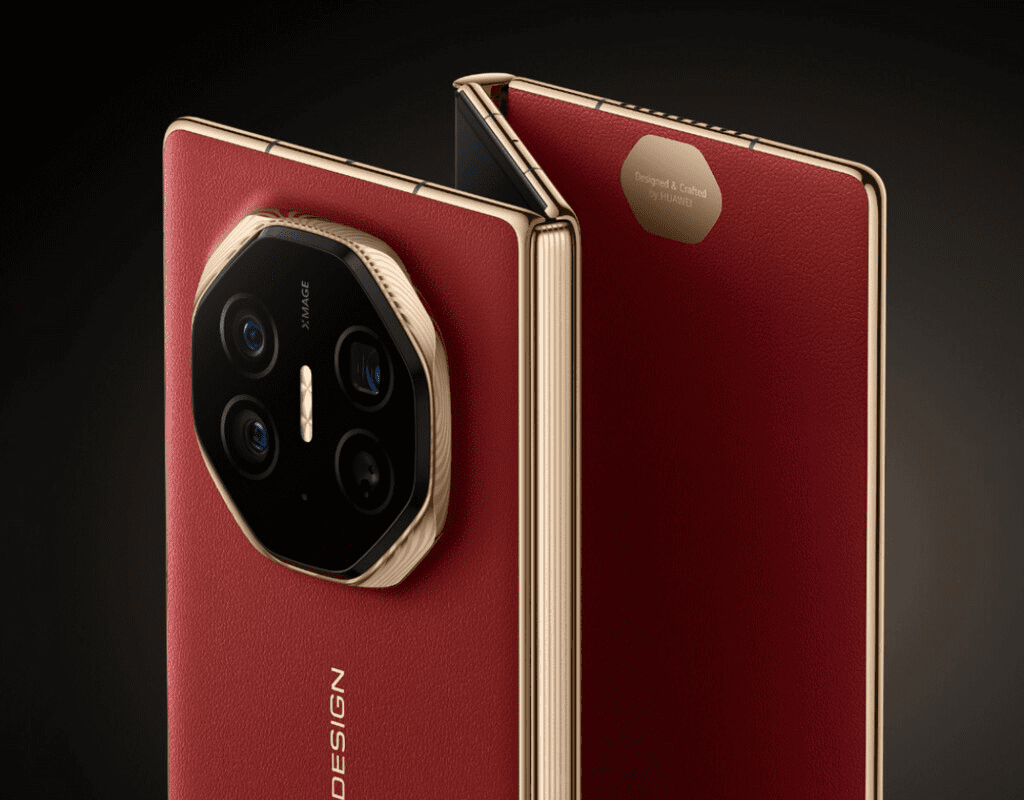
    1. Huawei Mate XT Ultimate

    Leading the charge in smartphone innovation is the Huawei Mate XT Ultimate, a masterpiece of engineering that takes foldable technology to the next level. This tri-fold smartphone unfolds into a massive 10.2-inch LTPO OLED display, providing an immersive viewing experience perfect for multitasking, gaming, and media consumption.

    Powered by the state-of-the-art Kirin 9010 chipset, the Mate XT Ultimate offers unparalleled performance and efficiency. Its robust 5600mAh battery supports 66W wired and 50W wireless charging, ensuring you stay powered throughout the day. Additionally, its 50MP triple camera system delivers stunning, professional-grade photos, making it a must-have for photography enthusiasts.

    1200 800

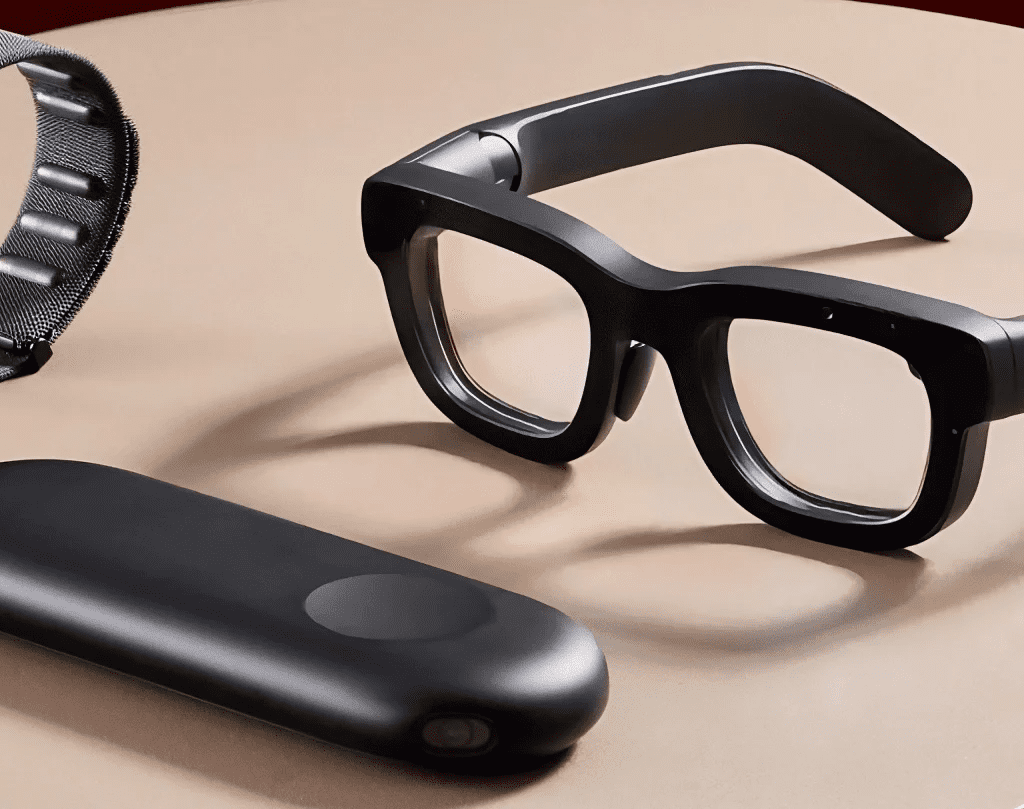
    2. Meta Glass

    The future of wearable tech is here with Meta Glass. These sleek smart glasses blend advanced functionality with everyday style, making them a versatile companion for both work and leisure.

    Equipped with AI-driven features, Meta Glass offers real-time language translation, memory assistance, and hands-free photo and video capture. Seamlessly integrated with popular apps like Spotify and Amazon Music, these glasses provide an immersive and connected experience. Whether you’re navigating a foreign city or attending a virtual meeting, Meta Glass enhances your daily life with cutting-edge convenience.

    05 whatcomesnext transformed e1727288153518

    3. Generative AI

    2024 has seen generative AI evolve into an indispensable tool for creativity and productivity. These advanced AI systems are capable of producing hyper-realistic images, videos, and even music, breaking new ground in the digital world.

    From enhancing entertainment experiences to revolutionizing healthcare diagnostics, generative AI is making waves across industries. It’s not just a novelty; it’s a transformative technology that empowers businesses and individuals to innovate like never before.

    imageye 230222 generative ai blog 2

    4. Snapdragon Laptops

    Mobile computing reaches new heights with Snapdragon laptops, powered by Qualcomm’s latest processors. These laptops boast exceptional performance, impressive battery life, and seamless connectivity, setting a new standard for productivity on the go.

    Featuring 5G support, Snapdragon laptops deliver ultra-fast internet speeds, making remote work and travel a breeze. Their fanless design ensures silent operation, while their lightweight and sleek builds make them ideal for modern professionals. With battery life that lasts all day, Snapdragon laptops are redefining what’s possible in portable computing.

    vt3ZaSjzEDoKnjrLftNpPA 1920 80.jpg

    Conclusion

    The tech landscape of 2024 is more thrilling than ever, thanks to innovations like the Huawei Mate XT Ultimate, Meta Glass, Generative AI, and Snapdragon laptops. These gadgets are not just enhancing our everyday lives; they’re paving the way for even more exciting advancements in the years to come.

    As we embrace these cutting-edge technologies, one thing is certain: the future is now, and it’s never looked brighter. Stay tuned to Ogabassey for more updates on the latest and greatest in tech!

  • Apple Intelligence: What You Need to Know About Apple’s Latest AI Innovation

    Apple has always led the way in integrating advanced technology into its devices, and its newest addition, Apple Intelligence, is no different. But Apple isn’t the only player in the game when it comes to leveraging AI. Competitors like Samsung, Google, and Microsoft have all made significant strides in the AI space. Samsung’s Galaxy AI is enhancing user experiences by improving photography, personalized recommendations, and smart assistant features. Google has recently launched Gemini, a powerful AI engine that focuses on conversational AI, integrating it across their devices and services for more natural interactions. Microsoft, on the other hand, introduced CoPilot, an AI assistant embedded into its productivity suite, which helps users streamline tasks like writing, data analysis, and presentations within apps like Word, Excel, and PowerPoint.

    Now, Apple is stepping up its game with Apple Intelligence, a suite of AI-powered features designed to revolutionize how users interact with their iPhones, iPads, and Macs. With these advancements, Apple is positioning itself at the forefront of the AI race, aiming to offer the most seamless and intuitive user experience. Let’s dive into what Apple Intelligence includes and which devices will support it.

    What is Apple Intelligence?

    Apple Intelligence is a collection of AI-driven features that aim to make your user experience smoother and more efficient. By using machine learning and large language models directly on your device, it can do things like:

    • Text and Email Composition: This feature helps you compose texts and emails, providing suggestions and even automating responses based on context.
    • Image Generation: Need a quick image for a project? Apple Intelligence can generate images using AI, perfect for creatives.
    • Document Summarization: Got a long document? This tool can summarize it for you, saving you time.
    • Smart Replies: In apps like Mail and Messages, Apple Intelligence suggests quick replies based on the conversation you’re having.
    • Memory Maker: In the Photos app, this feature creates personalized photo albums and memories for you.
    • Reduce Interruptions with Focus Mode: Stay focused by filtering out unnecessary notifications.
    • Enhanced Siri: Siri gets a facelift with a new design and the ability to maintain context across multiple requests, making your interactions even more seamless.

    Which iPhones Support Apple Intelligence?

    Not every iPhone will support Apple Intelligence, as these features require the A17 Pro chipset to handle on-device AI processing. Here are the iPhones that are compatible:

    • iPhone 15 Pro
    • iPhone 15 Pro Max
    • iPhone 16 series (iPhone 16, iPhone 16 Plus, iPhone 16 Pro, and iPhone 16 Pro Max)

    Other Compatible Devices

    In addition to iPhones, certain iPads and Macs will also be able to use Apple Intelligence. Here’s a list of compatible devices:

    iPads:

    • 5th-gen M1 iPad Air (2022)
    • 6th-gen M2 iPad Air (2024)
    • 5th-gen M1 iPad Pro (2021)
    • 6th-gen M2 iPad Pro (2022)
    • 7th-gen M4 iPad Pro (2024)

    Macs:

    • M1 MacBook Air (2020)
    • M2 MacBook Air (2022)
    • M3 MacBook Air (2024)
    • 13-inch Touch Bar M1 MacBook Pro (2020)
    • 14-inch and 16-inch M1 MacBook Pro (2021)
    • 14-inch and 16-inch M2 MacBook Pro (2023)
    • M1 iMac (2021)
    • M3 iMac (2023)
    • M1 Mac mini (2020)
    • M2 Mac mini (2023)
    • M1 Mac Studio (2022)
    • M2 Mac Studio (2023)
    • M2 Mac Pro (2023)

    Why Apple Intelligence is Exciting

    Apple Intelligence is set to revolutionize how you use your Apple devices. From speeding up everyday tasks to enhancing creativity, its AI-driven features offer convenience and efficiency. Whether it’s automating email responses or helping you stay focused, Apple Intelligence makes your device smarter and more intuitive.

    If you’re excited to take advantage of these features, you’ll need one of the latest iPhones, iPads, or Macs with the right hardware. As Apple continues to push the envelope, we can expect even more innovations in the future.

    Are you ready to explore Apple Intelligence? Share your thoughts in the comments!

  • Introducing the Snapdragon X Laptops: The New PC on the Block

    5 Reasons Why You Should Consider a Snapdragon Laptop for Your Next Upgrade

    When it comes to choosing your next laptop, the decision has often boiled down to either a Windows laptop or an Apple MacBook. With the release of Apple’s M series, the playing field became even more competitive, as these Macs not only match the performance of top-tier Windows laptops but also excel in efficiency (battery life), despite lacking in gaming and versatility. Now, there’s a new contender: Snapdragon X Elite laptops running Windows on ARM, offering Apple’s efficiency alongside the versatility of Windows. If you’re thinking of upgrading, here are five reasons why a Snapdragon laptop might be your perfect match.

    1. Enhanced Performance

    Snapdragon X Elite processors bring serious power, rivalling even Apple’s impressive M-series chips. Whether you’re editing videos, working on multiple apps simultaneously, or just browsing, these processors promise faster speeds and smoother multitasking. Say goodbye to lag!

    2. Extended Battery Life

    Tired of your laptop dying halfway through the day? Snapdragon-powered laptops are known for their exceptional battery life. Some models can last over 12 hours on a single charge, making them the perfect companion for long workdays, travel, or back-to-back meetings.

    3. On-Device AI Capabilities

    One standout feature of Snapdragon laptops is Copilot+, a suite of AI tools built right into the device. Features like Auto Super Resolution and Windows Studio Effects work together to enhance your productivity. Whether you’re sharpening images or making your Zoom calls look more professional, these AI-driven tools boost your overall experience.

    4. Smooth Gaming Compatibility

    Gamers, rejoice! Thanks to improvements in x64 emulation, Snapdragon laptops can run many popular games smoothly without needing major adjustments. This means you get the versatility of a work-and-play machine all in one. Whether it’s casual gaming or something a bit more demanding, Snapdragon has you covered.

    5. Efficient Design

    Snapdragon laptops are designed with efficiency in mind. They come with improved thermal management, keeping your device cool and quiet even during heavy use. Plus, with optimized power consumption, these laptops perform at their peak without draining your battery.

    With all these features combined, Snapdragon laptops offer a compelling choice for a wide range of users—whether you’re a professional looking for productivity or a gamer wanting seamless performance.

    So, what do you think? Is a Snapdragon laptop the right fit for your next upgrade?

  • Five Reasons to Upgrade to the New iPhone 16

    The long-awaited iPhone 16 has landed, and it’s bringing a host of features that make it best iPhone yet and arguably the best smartphone in 2024. We have given our first impressions here, we have also placed it side-by-side with the Android behemoth, the Samsung Galaxy S24 Ultra Here

    However, whether you’re a die-hard Apple fan or simply in need of a reliable and stylish device, here are five compelling reasons why the iPhone 16 should be your next upgrade.

    1. Enhanced Camera System: Say Goodbye to Mediocre Shots

    The iPhone 16 is a photographer’s dream, with a camera system that’s on another level. Apple has packed a new Fusion sensor into the main camera, delivering faster shutter speeds and mind-blowing low-light performance. If you’re always snapping photos, you’ll love the ultrawide lens, which now boasts a 48MP sensor for sharper, more vibrant shots. Not to mention, the telephoto lens comes with a 5x optical zoom—finally, zoom without losing clarity!

    2. A18 Bionic Chip: The Beast Under the Hood

    What’s a great phone without speed? The iPhone 16’s A18 Bionic chip is a powerhouse, offering a 30% faster CPU and a 40% faster GPU than its predecessor. This means everything you do—whether it’s gaming, photo editing, or just opening apps—happens in the blink of an eye. The improved neural engine also takes AI tasks to the next level, so get ready for an ultra-smooth user experience, no matter what you’re up to.

    3. Bigger, Brighter Display: Immerse Yourself

    When it comes to screens, bigger is better. The iPhone 16 delivers on this with larger screen sizes (6.3 inches for the base model and 6.9 inches for the Pro) and a stunning Super Retina XDR display. This means brighter, more immersive visuals whether you’re binge-watching Netflix or scrolling through your Instagram feed. Simply put, you’ll never want to put it down.

    4. Improved Battery Life: Power That Lasts

    No one enjoys the “low battery” panic, and with the iPhone 16, you won’t have to. Thanks to the efficiency of the A18 chip and a larger battery, this phone delivers extended battery life that keeps you powered all day. From streaming to gaming to work, the iPhone 16 is designed to last without constantly reaching for your charger.

    5. New Features That Make Life Easier

    Apple has thrown in some pretty cool features this time around. The new Camera Control button allows you to access camera settings in a snap, so you’re always ready for the perfect shot. And remember the Action button from the iPhone 15 Pro? It’s now standard on the iPhone 16, giving you the ability to customize shortcuts for all your most-used tasks.

    Conclusion: Time to Level Up

    With an upgraded camera, blazing-fast A18 Bionic chip, stunning display, longer battery life, and a handful of innovative features, the iPhone 16 isn’t just an upgrade—it’s a game-changer. If you’re on the hunt for your next smartphone, the iPhone 16 is here to level up your tech game in 2024.

    As at today, you can get the new iPhone 16 series for the following prices:

    16 128gb (Teal, Ultramarine, Pink) ₦1,720,000

    16 256gb  ₦1,900,000

    16pro 128gb ₦2,250,000

    16pro 256gb ₦2,450,000

    16pro max 256gb ₦3,000,000

    16pro max 512gb ₦3,300,000

    16pro max 1TB (Desert) ₦3,950,000

    Ready to make the switch? Click Here to order yours.

  • 6 Phone Habits That Deteriorate Your Battery

    Ah, the dreaded low battery alert—the ultimate reminder that our beloved smartphones aren’t invincible. If your phone’s battery drains faster than your patience waiting for it to charge, chances are you’re guilty of some habits that are quietly killing your battery. Don’t worry; we’ve all been there! Here are 6 phone habits that are probably deteriorating your battery, and some easy fixes that’ll help you avoid the constant scramble for a charger. We have identified some these issues HERE in the past

    1. Charging Your Phone Overnight

    It’s so easy, right? You plug your phone in before bed and wake up with a fully charged device. But charging overnight isn’t as harmless as it seems. Overcharging can heat up your battery, and that’s a surefire way to wear it down faster than you can say “Good morning.”

    What to do instead:
    Unplug your phone once it’s charged to around 80-90%. If you must charge overnight, use a smart plug or charging pad that automatically stops when your phone reaches full charge.

    2. Draining Your Battery to 0% Every Time

    Do you wait until your phone is gasping for life at 1% before plugging it in? Draining your battery to 0% regularly is like running your car until the gas tank is bone dry—it’s just not a good idea.

    What to do instead:
    Try to keep your phone’s charge between 20% and 80%. That’s the sweet spot for most batteries. Your phone will thank you later.

    3. Using Your Phone While It’s Charging

    We’ve all been guilty of this one—scrolling through Instagram or watching YouTube while the phone is plugged in. But using your phone while it’s charging generates extra heat, and heat is basically kryptonite to your battery.

    What to do instead:
    Put your phone down and let it charge in peace. It’ll charge faster and stay cooler, which means a happier, healthier battery.

    4. Cranking Up the Brightness

    Sure, a bright screen looks great, but it’s also one of the biggest battery killers. Every time you turn your brightness up to max, you’re telling your battery to work overtime.

    What to do instead:
    Use auto-brightness or dim your screen manually when you’re indoors. And let’s be real, do you really need your screen to light up like a lighthouse at all times?

    5. Never Turning Off Bluetooth and Wi-Fi

    If your Bluetooth and Wi-Fi are always on, even when you’re not using them, you’re basically inviting your battery to drain itself. These features constantly search for devices and networks, consuming power even when idle.

    What to do instead:
    Turn off Bluetooth and Wi-Fi when you’re not using them, especially when you’re out and about. Bonus: You’ll also stop your phone from awkwardly trying to connect to random networks.

    6. Letting Notifications Run Wild

    Between emails, social media, and app alerts, it feels like our phones never stop buzzing. But each notification lights up your screen and wakes up your phone’s battery for no reason. Every little buzz chips away at your battery life.

    What to do instead:
    Silence non-essential notifications. Do you really need to know about every single “like” on Instagram right away? Keep the alerts that matter and mute the rest.

    Final Thoughts

    It’s easy to develop some bad phone habits without even realizing it. But by making a few small adjustments, you can keep your battery healthier for longer—and avoid those frantic “where’s my charger?” moments. So, give your phone a break, stop treating it like a power-hungry drama queen, and let it live its best, longest-lasting life!